Ground transportation has always been a vital part of modern mobility. Whether it is a daily commute or a long-distance journey, the way we travel connects our world. In recent years, however, the transportation sector has experienced a seismic shift fueled by rapid technological advancements and growing environmental concerns.
The future of ground transportation promises to revolutionize how we move. For travelers requiring group transfers in Ottawa or reliable ground transportation from Montreal airport to Montebello, these exciting changes will redefine the travel experience.
In this article, we explore seven amazing trends that are making ground travel more efficient, sustainable, and connected than ever before.
1. Electric Vehicles (EVs): Driving Sustainability
The transition to electric vehicles (EVs) is the most visible trend shaping the future of ground transportation. Governments worldwide are pushing for reduced carbon emissions, and the transit sector is leading the charge.
As cities aim to meet sustainability goals, the adoption of EVs is skyrocketing. For travelers booking group transfers in Ottawa, electric buses and vans provide a clean, eco-friendly option. Likewise, regional routes are adapting; ground transportation from Montreal airport to Montebello is increasingly utilizing EVs as charging infrastructure expands.
Key benefits of EVs include:
- Reduced Emissions: Zero tailpipe emissions help combat global climate change.
- Lower Operating Costs: Electricity and maintenance are significantly cheaper than traditional gasoline.
- Eco-Conscious Appeal: Offering EVs demonstrates a commitment to sustainable travel.
2. Autonomous Vehicles: A New Era of Travel
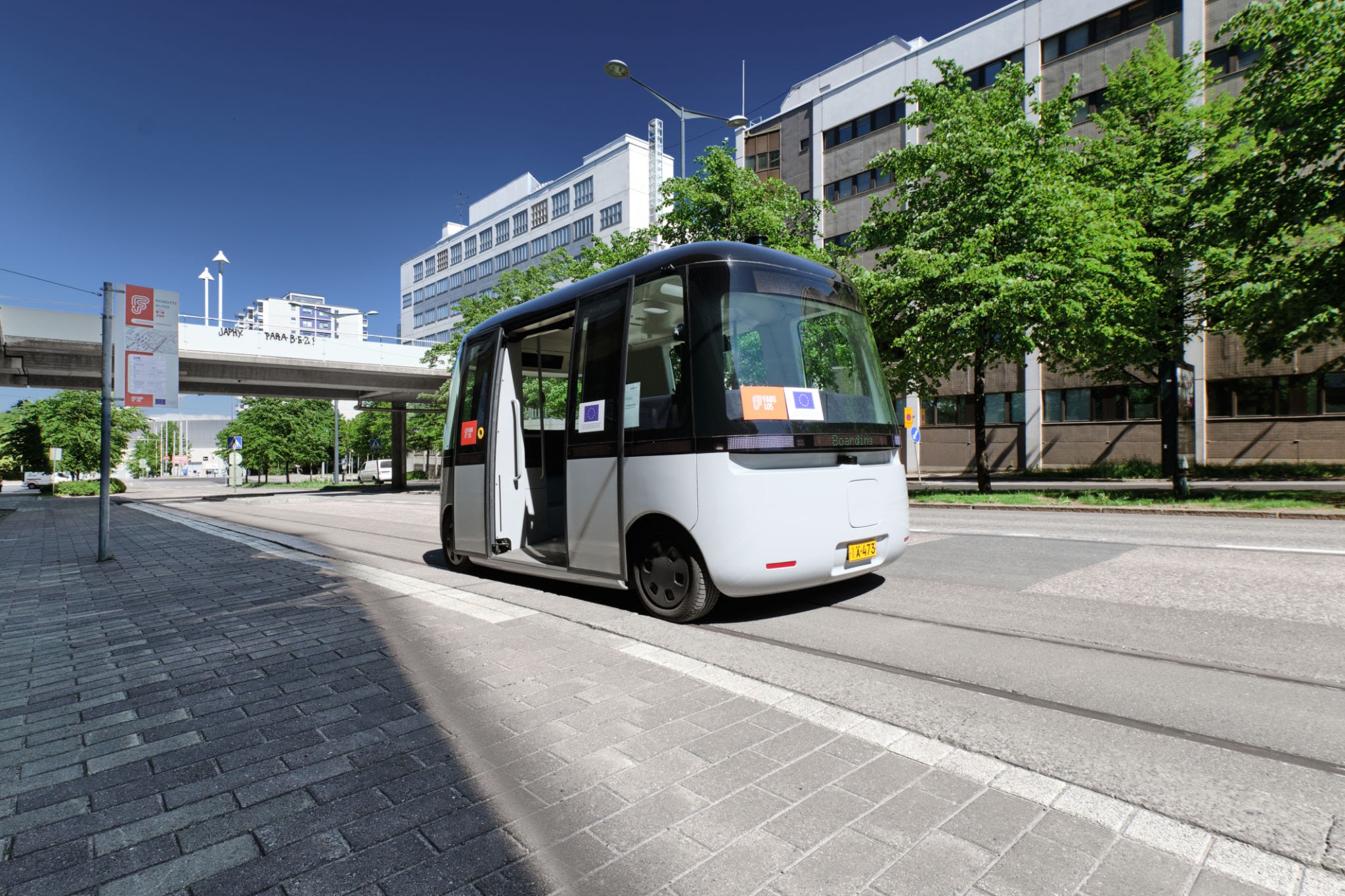
Self-driving cars are no longer just science fiction. Autonomous vehicles (AVs) are a groundbreaking innovation set to completely transform our transit networks.
Imagine a world where autonomous shuttles handle your group transfers in Ottawa without a human driver. This technology uses advanced AI and sensors to navigate safely.
Advantages of autonomous transit:
- Increased Safety: AI systems drastically reduce the risk of human error.
- Efficient Traffic Flow: AVs communicate with smart road infrastructure to optimize routes and reduce congestion.
3. Shared Mobility and On-Demand Transit
Shared mobility involves transportation modes that are shared among multiple users. Ride-sharing apps have already changed personal transit, but this trend is now expanding to larger group travel.
By utilizing shared ground transportation from Montreal airport to Montebello, passengers can split costs while reducing the number of vehicles on the highway.
Benefits of shared mobility:
- Cost Savings: Splitting the fare makes travel highly affordable.
- Less Traffic: Fewer cars on the road lead to shorter travel times for everyone.
4. Micro-Mobility: E-Scooters and E-Bikes
Micro-mobility solves the infamous “last mile” travel problem. Eco-friendly e-scooters and e-bikes offer ultimate flexibility for travelers navigating dense urban areas.
If you are using group transfers in Ottawa to reach the downtown core, you can easily rent a nearby e-scooter via a smartphone app to complete the final few blocks to your hotel or conference center.
5. Mobility-as-a-Service (MaaS)
Mobility-as-a-Service (MaaS) is an innovative approach that integrates various transportation methods into a single, seamless digital platform.
Instead of using three different apps, a traveler could use a MaaS platform to book their flight, reserve ground transportation from Montreal airport to Montebello, and rent an e-bike for exploring the town—all in one place. This simplifies the travel experience and offers complete cost transparency.
6. Prioritizing Green Travel Options
As environmental awareness grows, consumer demand for sustainable travel options is higher than ever. Ground transportation providers are actively adopting eco-friendly practices to keep up.
To learn more about the global push for green transit, you can explore the International Energy Agency’s (IEA) reports on transport. By choosing green vehicles, travelers minimize their carbon footprint and encourage transit companies to continue investing in clean technology.
7. Smart Cities and Connected Infrastructure
The rise of “smart cities” plays a massive role in the future of ground transportation. These cities use live data, sensors, and internet connectivity to improve urban infrastructure.
For long-distance routes, smart city data can provide real-time updates on traffic conditions. This ensures that vehicles providing ground transportation from Montreal airport to Montebello always take the fastest, least congested route available.
Conclusion
The future of ground transportation is set to be more efficient, sustainable, and highly connected. From electric and autonomous vehicles to shared mobility platforms, the landscape is evolving to meet the needs of the modern traveler. By staying informed about these trends, you can make better decisions and enjoy a seamless, eco-friendly journey wherever you go.